


It is 2 AM, and your child has just thrown up for the third time tonight. The bedsheets need changing again. Your little one is crying, confused, and scared. You are exhausted and worried, wondering if you should rush to the hospital or wait it out.
Vomiting in children is one of the most common reasons parents panic. And for good reason. Seeing your child sick and uncomfortable is awful. But here is the thing: vomiting is usually not dangerous. Most of the time, it is your child's body getting rid of something that does not belong there. The key is knowing when to stay calm and when to act fast.
Causes of vomiting in children vary, but some are far more common than others.
Stomach Infection (Viral Gastroenteritis)
The most common reason by far is stomach infection children get from viruses. In India, rotavirus and norovirus are the usual culprits. These infections spread easily in schools and crowded places. Your child picks up the virus from contaminated food, water, or surfaces. Within a day or two, vomiting starts, often with diarrhoea, stomach cramps, and mild fever. Most stomach bugs resolve on their own within 24 to 48 hours.
Food Poisoning: If your child ate contaminated food like undercooked chicken, spoiled dairy or street food left in the heat, vomiting can start within hours, sometimes with fever and diarrhoea.
Motion Sickness: Some children get car sick on long drives or winding roads. Harmless but unpleasant.
Overeating or Eating Too Fast: If your child stuffed themselves at a party or ate too quickly, their stomach may rebel.
Allergies or Food Intolerance: Some children have allergies to milk, eggs, or nuts. Others have lactose intolerance or gluten sensitivity.
Other Infections: Ear, urinary tract, and throat infections can cause vomiting in children.
Serious (But Rare) Causes
Occasionally, vomiting signals appendicitis. It will be a sharp stomach pain, usually on the right side. It can also be intestinal blockage (green vomit, severe pain), head injury, or poisoning. These are rare, but if vomiting comes with severe pain, blood, or unusual behaviour, get to a doctor immediately.
Signs of vomiting precede the vomiting, so keep an eye on:
● Nausea - your child may feel sick or sweat suddenly
● Sudden, unbearable stomach pain or cramping
● Eating less than usual
● Weakness or tiredness
● Pale or flushed skin
● Drooling or swallowing repeatedly
● A foul smell or taste in the mouth
In most cases, once they vomit, the child tends to feel better. The colour of vomit can offer clues: clear or white is usually stomach fluid, yellow or green may indicate bile and a possible blockage or infection, while red or brown (blood) needs immediate medical attention.
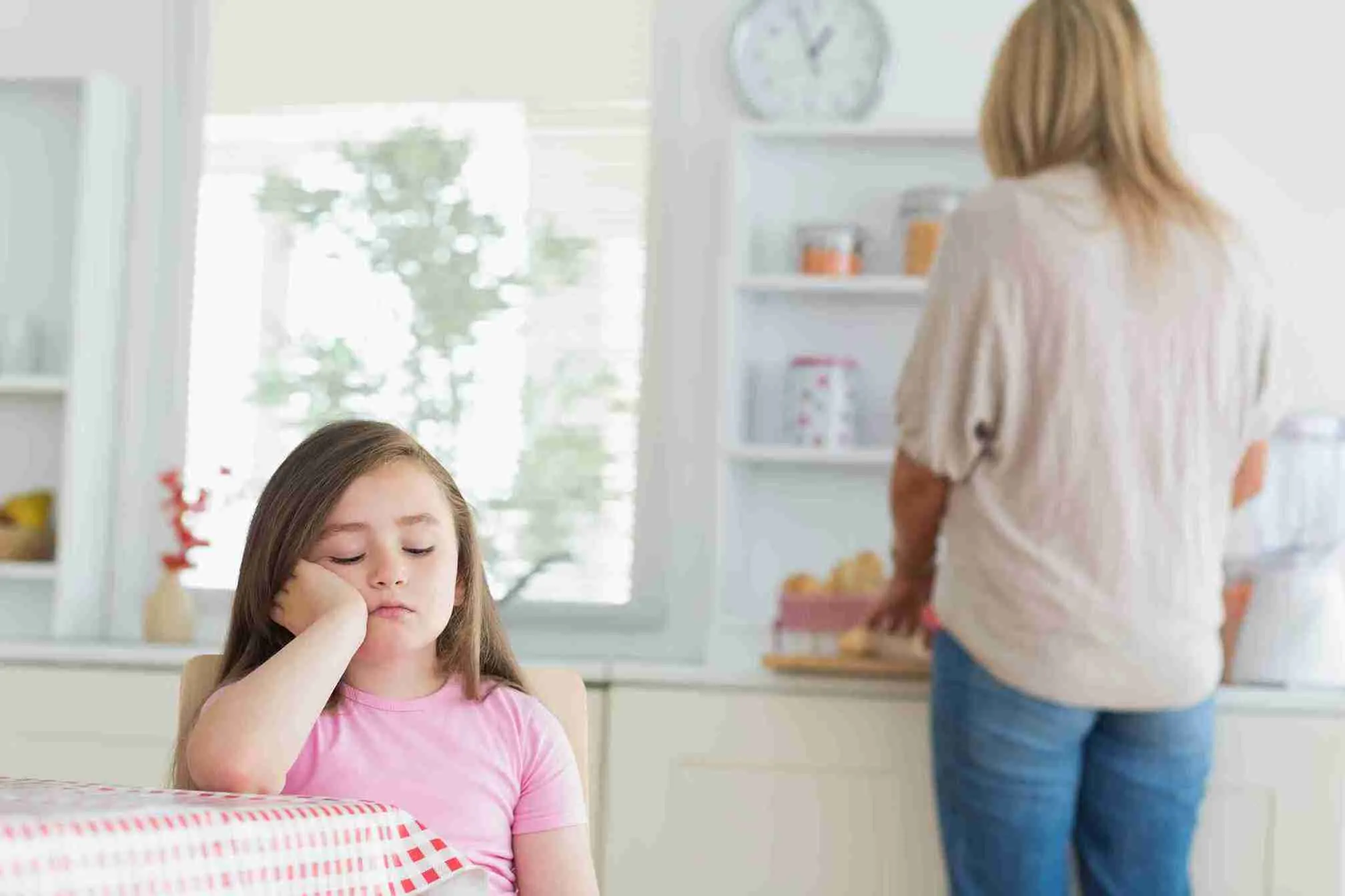
Mostly, child vomiting treatment can be managed at home. Your main job is to prevent dehydration and keep your child comfortable.
Let the Stomach Rest: After vomiting, wait 30 to 60 minutes before giving food or drinks.
Start with Small Sips: Give small sips of plain water or salt and sugar in water. Give 1 to 2 teaspoons every few minutes. Even if your child vomits again, some fluid will stay down. Over an hour, this adds up to more than a cup. Do not give large amounts at once.
Avoid Sugary or Fizzy Drinks: Do not give soft drinks, packaged juices, or very sugary drinks.
Continue Breastfeeding: If breastfeeding, keep doing it. Breast milk is easy on the stomach.
Introduce bland foods: Give slowly, once vomiting stops and your child can keep fluids down, try bananas, rice, applesauce, toast, plain khichdi, boiled potatoes, plain dosa, or idli. Avoid spicy, fried, oily foods, most dairy (except a little curd), and acidic fruits.
Don’t force food: If your child is not hungry, focus on fluids. Appetite will come back on its own.
Keep Them Comfortable: Dress your child in loose clothes. Keep a bucket nearby. Clean up gently and reassure them.
The biggest worry with vomiting is dehydration. When children keep vomiting, they lose water and minerals (electrolytes). Babies and toddlers are at higher risk. Watch for these warning signs: peeing less often (fewer than 4 wet nappies a day for babies, or over 8 hours without peeing for older kids), dark yellow pee, dry mouth and lips, no tears when crying, sunken eyes or cheeks, sunken soft spot on baby's head, lethargy or extreme sleepiness, irritability or confusion, and dizziness.
If you see these signs, increase fluids immediately. Offer oral dehydration solutions every few minutes. If your child cannot keep anything down or is getting worse, go to the doctor. Severe dehydration can lead to seizures or brain damage.
See a doctor right away if your child is under 3 months old and vomiting repeatedly, has blood in vomit (red or brown), has green vomit (bile), has severe stomach pain, has a stiff neck or severe headache, shows signs of dehydration, has been vomiting over 24 hours, recently hit their head then vomited, has high fever (over 38°C for babies under 3 months, over 40°C for older kids), cannot keep fluids down for 12 hours, is unusually sleepy or confused, or has a swollen, hard, or painful belly.
If you are unsure, trust your instinct. You know your child best. In India, government hospitals and paediatric clinics are accessible in most cities. Do not hesitate to seek help.
In most cases, vomiting in children is not serious, but it can be scary. It can probably be a stomach bug, which may resolve on its own. As a parent, the best you can do is keep your child hydrated, calm and comfortable. Watch for warning signs of dehydration or something more serious. Trust your gut. If you are worried, get medical help. And remember, you are doing your best. This will pass. Your child will feel better soon.
