


Your child suddenly has blood pouring from their nose. It is dripping onto their shirt, and they are scared. Nosebleeds in kids are one of those things that look worse than they actually are. Most are not serious, but they can be scary. Let us talk about why they happen, how to stop them, and when you should worry.
The inside of your child's nose has many tiny blood vessels. These vessels sit very close to the surface and break easily. This is why kids get nosebleeds more often than adults. In India, frequent nosebleeds in children are particularly common due to:
Dry weather: Winter months in North India, especially Delhi and surrounding areas, bring very dry air that dries out nasal passages.
Indoor air quality: Heaters in winter and air conditioners in summer dry out the air inside homes.
Pollution: Cities like Delhi, Mumbai, and Bangalore have high pollution levels that irritate the nasal passages.
Dust: Indian homes often have more dust due to open windows, traffic, and construction.
Nose Picking
Most kids pick their noses. It is the number one cause of nosebleeds. Those tiny fingernails scratch delicate blood vessels, causing bleeding.
Dry Air
When nasal passages dry out, the lining cracks. Any small irritation causes bleeding. This is why nosebleeds happen more in winter when heaters run.
Colds and Allergies
When your child has a cold or allergies, their nose gets stuffy and irritated. All that nose blowing and sneezing can cause nosebleeds.
Injuries
Falls, getting hit by a ball during cricket or football, bumping into things, kids are constantly moving. Even small knocks can cause bleeding.
Toddler Nosebleed Without Injury
Sometimes toddlers have nosebleeds with no obvious injury. This happens because they might have put something up their nose (such as beads, small toys, or food). If your toddler has nosebleeds without any injury, check for objects in the nose.
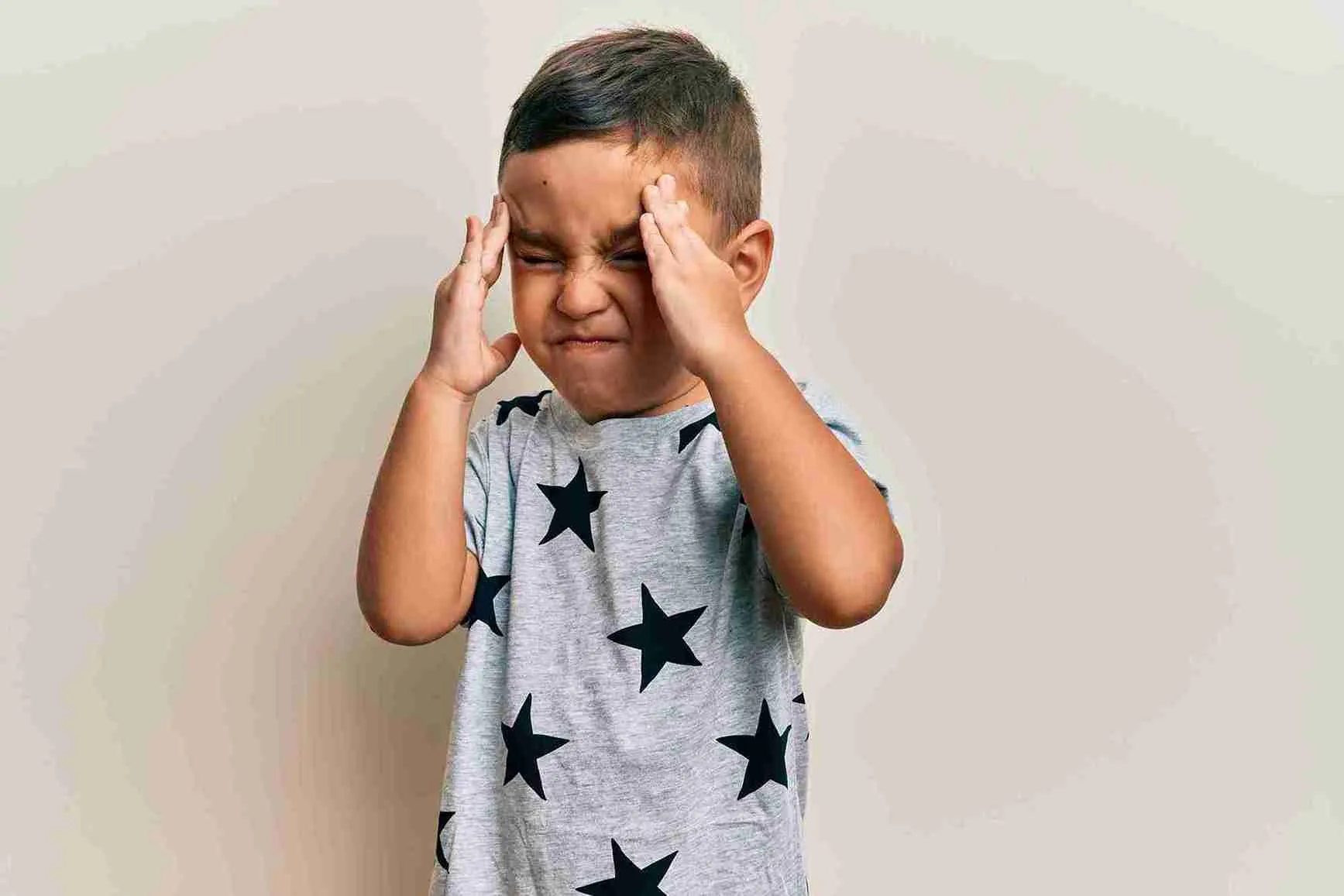
Nosebleeds and headaches happening together can worry parents. Here is what this combination might mean:
High Blood Pressure: Rare in children but possible. If your child often has both nosebleeds and headaches, get their blood pressure checked.
Sinus Infection: Blocked sinuses cause pressure and headaches. The infection and inflammation can also cause nosebleeds.
Severe Allergies: Bad allergic reactions can cause both symptoms.
Dehydration: Not drinking enough water, especially in hot weather, can cause both headaches and make nosebleeds more likely.
Migraine: Children may also experience nosebleeds when they are having a migraine.
In case your child has frequent nosebleeds, it is better to consult a paediatrician.
When you notice a nosebleed in your child, do these:
Stay calm. Your child is probably scared. Don’t panic and scare them more.
Sit them upright. Do not let them lie down, as sitting can help slow the bleeding.
Make them lean forward, so that the blood does not go down the throat. When blood reaches the stomach, some kids may vomit the blood, leading to more panic.
Pinch the soft part of the nose firmly for 5-10 minutes. Don't keep checking if it has stopped. When you do that, it just starts it again.
Your child should breathe through their mouth when you are pinching.
Apply a cold cloth or ice pack to the bridge of the nose. This helps blood vessels constrict.
Don't stuff tissue up the nose, as this just irritates it more when you pull it out.
Most nosebleeds stop within 5-10 minutes with these steps.

Get medical help if:
Bleeding does not stop after 20 minutes of pressure
Blood is coming from both nostrils heavily
Your child has trouble breathing
Your child seems very pale or weak
There has been a serious injury to the head or face
Your child is getting nosebleeds very often, like several times a week
Your child is also bleeding from other places, like gums, or you notice it in urine or stool
Your child bruises very easily
Nosebleeds started after beginning a new medication
You cannot prevent all nosebleeds, but these steps help:
Keep Nasal Passages Moist: Use a saline nasal spray 2-3 times daily, especially in winter. Apply petroleum jelly inside the nostrils twice daily. This helps during harsh winters or in air-conditioned rooms.
Ensure There is Moisture in the Air: You can keep a cool-mist humidifier by your child's bed at night. Keep cleaning it regularly.
Trim Your Child’s Nails Regularly: Ensure that the child’s fingernails are cut so that they do not scratch the inside of the nose, triggering a bleed.
Teach Your Child Gentle Nose Blowing: Nose blowing should be gentle, not forceful.
Treat Allergies immediately: If they have allergies that cause continuous or frequent sneezing, consult the doctor for treatment options.
Hydration is the Key: Ensure your child drinks at least 8-10 glasses of water every day.
Protection during Sports: If your child is playing any contact sport, invest in protective gear so that they are not hurting their nose or any other sensitive parts.
Myth 1: Tilt your child's head back during a nosebleed.
Fact 1: Never do this. It makes blood go down the throat.
Myth 2: All nosebleeds mean something serious is wrong.
Fact 2: Most nosebleeds are harmless and could be due to dry air or nose picking.
Myth 3: Frequent nosebleeds always mean a blood disorder.
Fact 3: Dry air and nose picking are the most common causes.
Nosebleeds are very common in children. It is mostly harmless and also easy to treat at home. They look scary because there is blood, but remember that the nose bleeds easily and still heals quickly. Most children outgrow nosebleeds by their teenage years. Until then, keep nasal passages moist, teach good nose habits, and know how to stop bleeding when it happens. If you are ever worried, trust your instincts and see a doctor. It is better to check and find nothing wrong than to ignore something that needs attention.
