


Air quality plays a critical role in protecting newborn health. Newborns are more vulnerable to environmental toxins than adults because their organs, such as the lungs, immune system, and nervous system, are still developing. Air pollution can expose newborns to harmful particles, gases, and contaminants that can severely impact breathing, immunity, and development. Home air quality is influenced by both indoor pollution sources and outdoor air entering the house. Knowledge of the impact of air pollution on newborns and infants can help families create a safe home environment.
Although not all exposure results in illness, reducing pollutant exposure is an important preventive health measure.
Newborns are more vulnerable to environmental toxins than adults.
Increased breathing rate: Babies breathe faster and inhale more air relative to body weight.
Undeveloped lungs and immune systems: Their respiratory and immune systems are still developing.
Increased particle penetration: Fine particles like PM2.5 can penetrate deeper into the lungs of newborns. Research indicates that a large fraction of fine particles can penetrate the lungs of newborns.
Studies also indicate that early exposure to air pollution could initiate inflammation and biological responses related to development.
Primary Air Pollutants Influencing Home Air Quality
Particulate Matter (PM2.5 and PM10)
Sources include cooking smoke, car emissions, and outdoor smog that enters homes. These pollutants are small enough to be absorbed into the bloodstream after being inhaled.
Volatile Organic Compounds (VOCs)
Found in paints, furniture polish, air fresheners, and cleaning products.
Nitrogen Dioxide & Combustion Pollutants
Emissions from gas stoves, gas heaters, and gas-powered generators.
Mold Spores
Found in damp areas and can cause respiratory irritation.
Tobacco Smoke Residue (Thirdhand Smoke)
Toxic residues left on furniture, clothing, and walls after smoking cessation.
Short-Term Health Implications of Poor Air Quality in Newborns
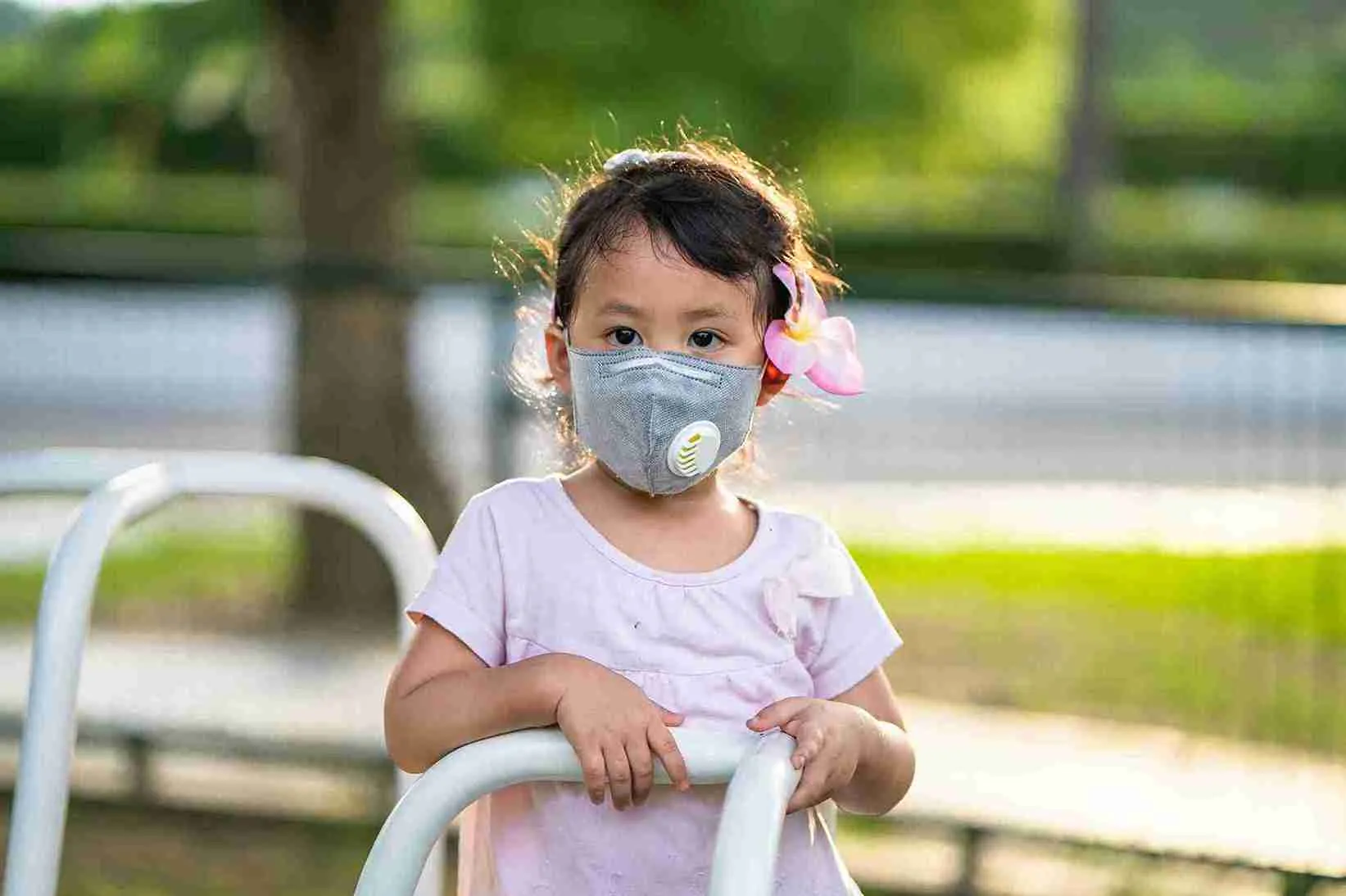
Respiratory Problems
Poor air quality can cause respiratory infections, wheezing, and airway inflammation. Fine particles can deeply penetrate the small air passages, causing irritation.
Immune System Impacts
The effects of air pollution on infants can impair the immune system, leading to frequent and severe infections.
Low Birth Weight & Birth Outcome Risks
Prenatal exposure to poor air quality has been associated with low birth weight and birth outcome risks.
Long-Term Lung & Brain Development
Exposure has been linked to long-term respiratory problems and neurodevelopmental problems. Exposure to pollution during developmental stages can affect cognitive abilities.
Indoor air pollution is more concentrated than outdoor air pollution when poor ventilation is present.
Cooking smoke increases indoor PM concentrations
Household cleaners increase VOC exposure
Outdoor smog seeps in through windows and ventilation
Inadequate ventilation retains pollutants indoors
These factors may contribute to:
Sleep-breathing distress
Increased susceptibility to infection
Chronic low-level inflammation
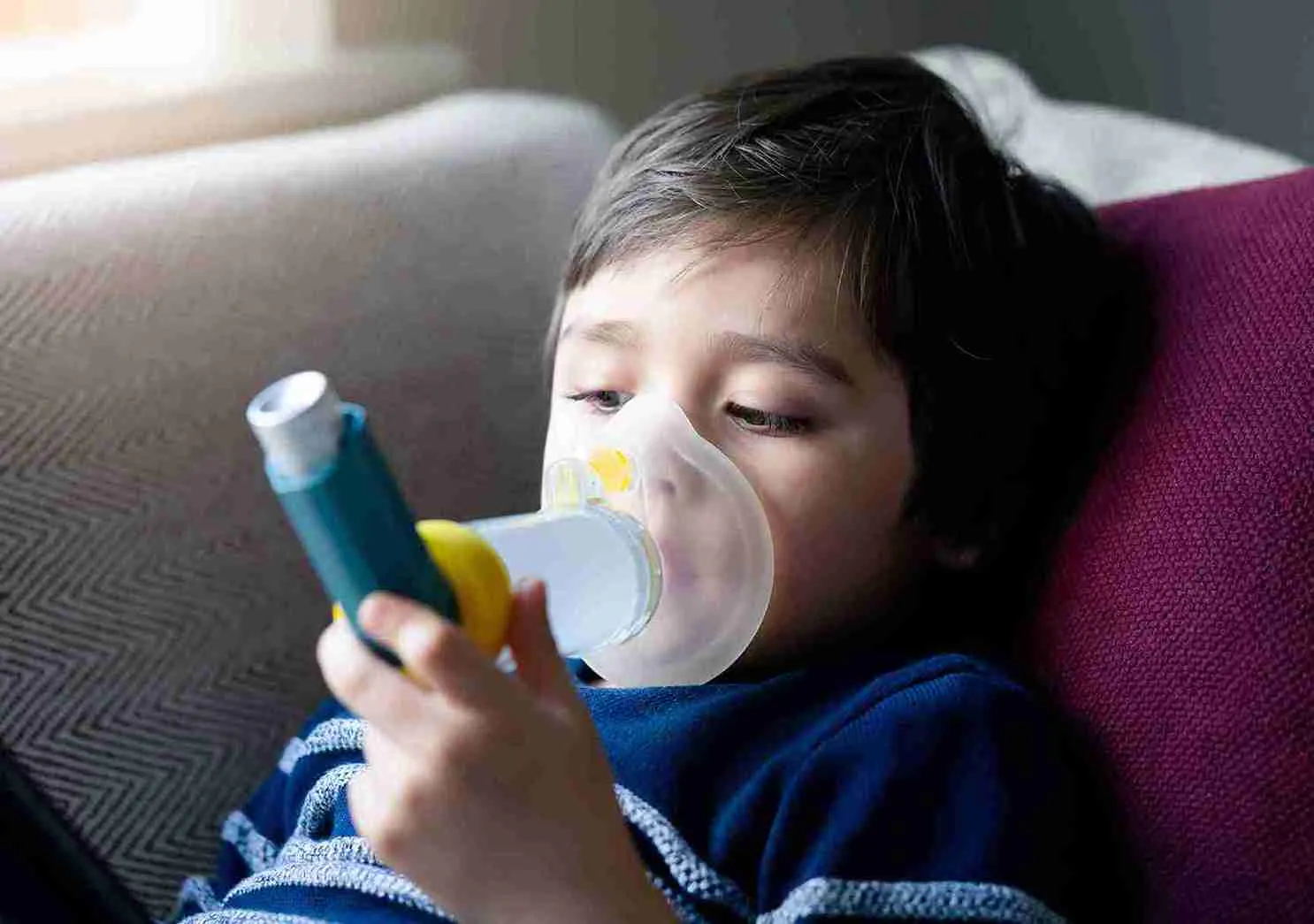
The long-term effects of air pollution on infants may increase the risk of:
Childhood asthma and allergies
Reduced Lung function
Potential neurodevelopmental problems
Potential long-term cognitive effects
Research indicates that exposure during developmental stages can affect lifelong health and development.
Potential signs of exposure include:
Persistent coughing
Evident noisy or rapid breathing
Frequent respiratory illnesses
Irritability or disrupted sleep patterns
Poor weight gain
These symptoms can have various causes, but persistent symptoms should be investigated by a physician.
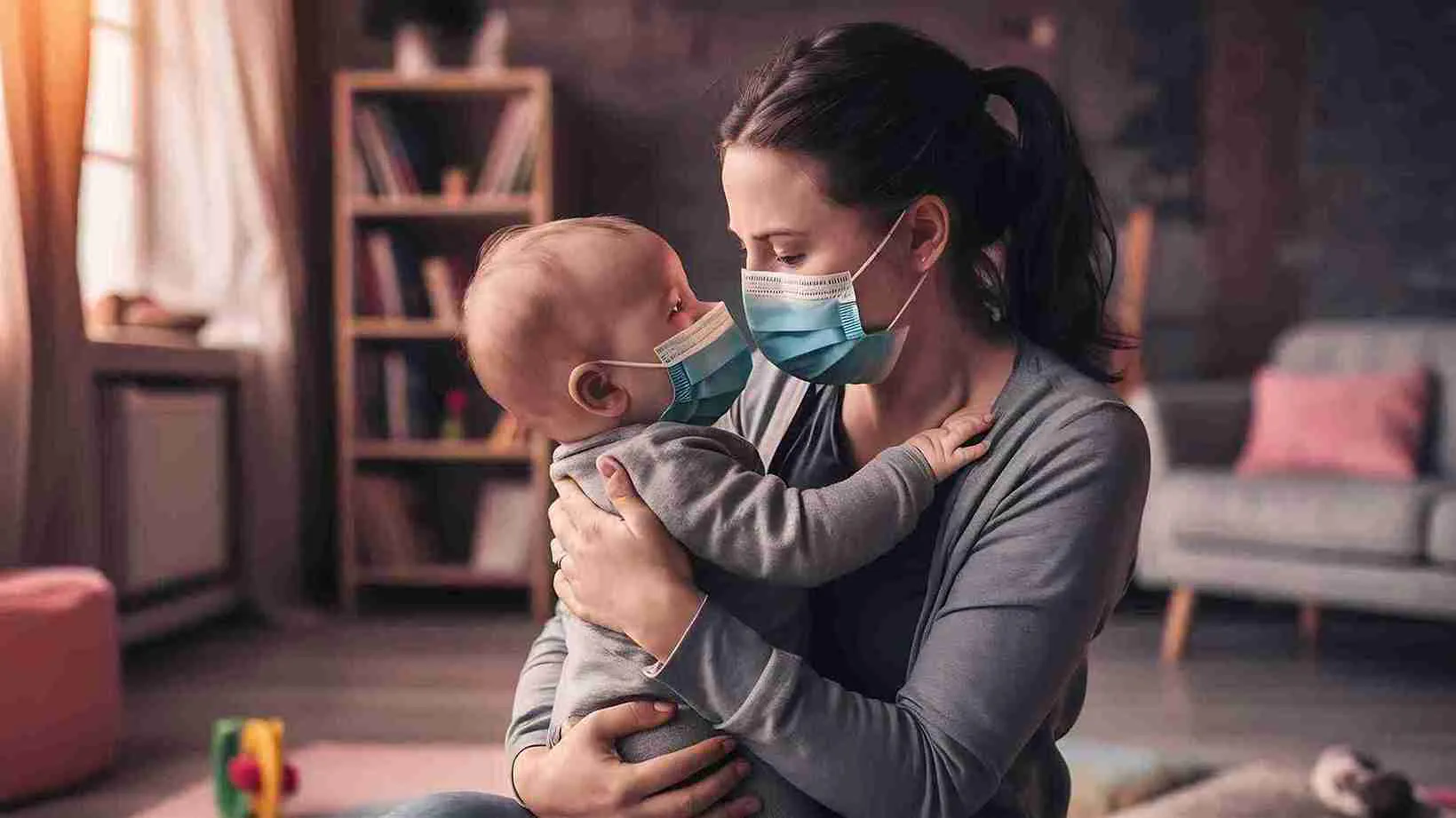
Indoor Air Quality Solutions
Employ HEPA air purifiers
Use low-toxicity cleaning products
Enhance ventilation when the outdoor AQI is improved
Do not smoke indoors
Control humidity to prevent mould growth
Everyday Practices
Regularly clean surfaces
Frequently wash bedding
Check local AQI before going outside
Baby-Friendly Strategies
Avoid strong scents
Keep sleeping areas at a safe distance from pollution sources
Promote immune system health through optimal nutrition practices
Cloudnine is a neonatal and paediatric care centre that provides evidence-based care, state-of-the-art infrastructure, and preventive health education. The centres provide early life environmental health education, which includes educating parents on creating a healthy home environment, protecting the newborn from respiratory infections in the home environment, and preventing infections. With expert neonatologists, state-of-the-art NICU facilities, and parent education programs, Cloudnine provides comprehensive care for newborns that goes beyond the hospital walls.
Home air quality is a factor that is not often considered when it comes to newborns. Since newborns are more sensitive to air quality, clean indoor air can make a difference in the respiratory health, immune systems, and overall development of newborns. If you are an expectant parent, consulting experts at Cloudnine can help you understand the factors that contribute to healthy development and a healthy respiratory system in newborns.
