


Your child comes home from school quieter than usual. They don't want dinner. They make excuses about stomach aches when it is time to get ready the next morning. When you ask what is wrong, they say "nothing" and look away. Bullying might not be the first thing on your mind. But the effects of bullying on your child's health go far beyond hurt feelings. About one in five students reports being bullied. Bullying is not just a normal part of growing up; it is a serious problem that can damage your child's physical and mental health, sometimes for years. This guide helps you understand how bullying affects your child's well-being and what you can do about it.
Bullying happens when someone with more power, either physical strength, social status, or numbers, repeatedly harms another child. It is not a one-time argument. It is a pattern.
Types include: physical (hitting, kicking, damaging belongings), verbal (name-calling, insults, threats), social (spreading rumours, excluding someone, turning others against them), and cyberbullying (harassment through WhatsApp, Instagram, or other social media). In today's education system, where academic pressure is intense, bullying often revolves around marks, tuition classes, appearance, or family background.
Bullying disrupts normal child development at a time when your child's brain and personality are still forming.
Social development suffers when children withdraw rather than learning to make friends and build healthy relationships. Emotional growth stalls: instead of building self-confidence, bullied children learn they are worthless and powerless. Academic development falls behind because fear and anxiety block learning. Research shows chronic stress from bullying can actually change brain structure, affecting how children process emotions.
The emotional effects of bullying on your child can be devastating.
Depression: Children who are bullied are much more likely to develop depression with loss of interest in activities, sleep and appetite changes, constant sadness, and feelings of worthlessness. Depression can show up as irritability or physical complaints.
Anxiety: Bullied children live in constant fear or panic about school, trouble sleeping, physical symptoms, and avoiding social situations. Academic pressure and bullying make anxiety overwhelming.
Low self-esteem: When children repeatedly hear they are stupid or worthless, they believe it, damaging their self-image for years.
Post-traumatic stress: Severe bullying can cause flashbacks, nightmares, extreme fear, and feeling constantly on guard.
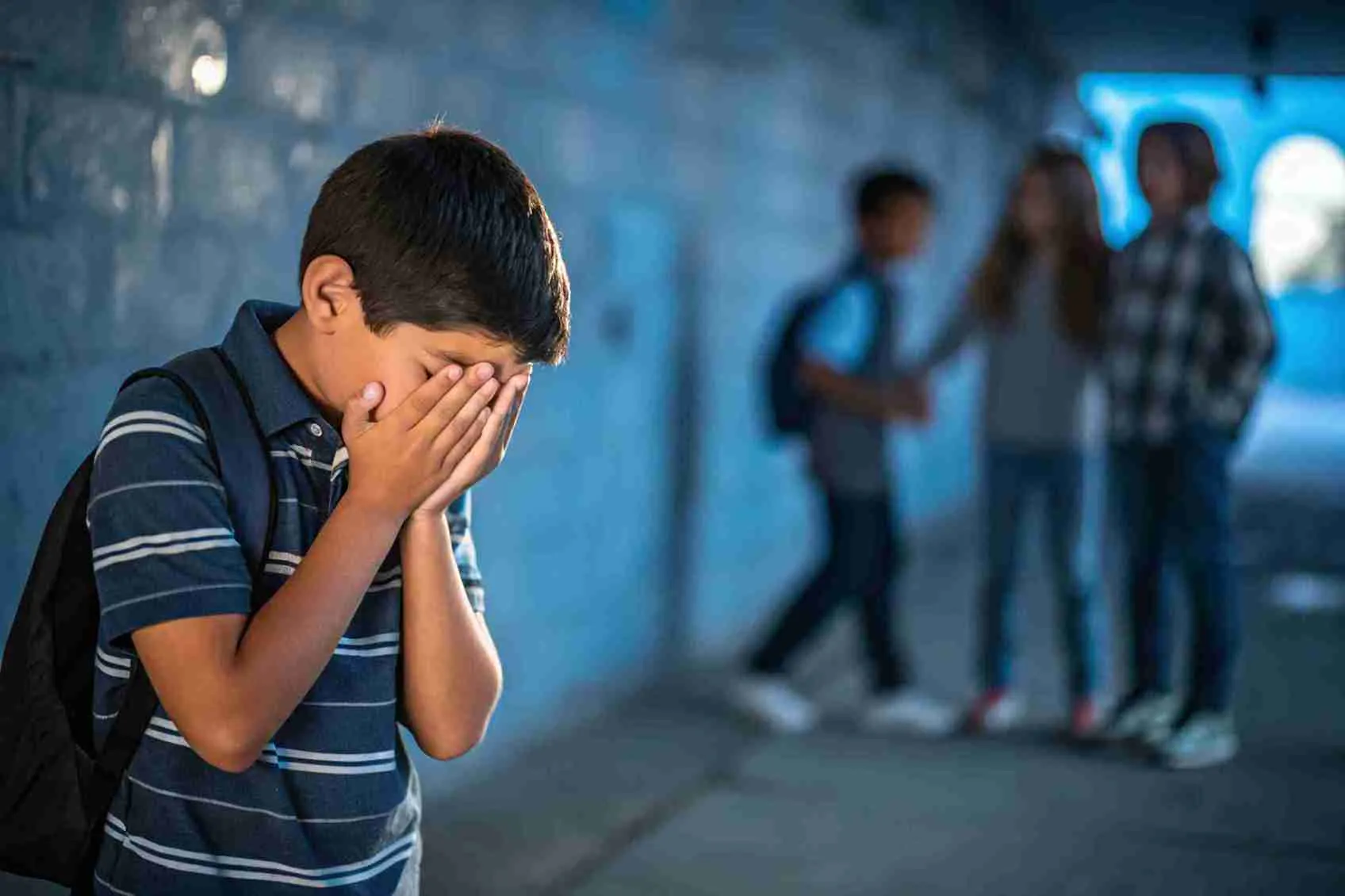
The physical effects of bullying range from immediate injuries to long-term health consequences. Physical bullying causes obvious injuries. But even non-physical bullying triggers immediate symptoms: headaches, stomach aches, nausea, dizziness, and fatigue. These are not fake; stress and anxiety cause real physical pain.
Research shows adults who were bullied as children have higher rates of chronic pain, sleep disorders, cardiovascular problems, and weakened immune systems. Constant stress can affect your child's body in ways that can last for decades. Bullied children also experience insomnia, nightmares, changes in appetite, eating disorders (especially if bullied about weight), and bedwetting in younger children.
Your child cannot learn when they are scared. Bullied children skip classes, struggle to concentrate, see marks drop, lose interest in academics, and drop out of activities. Nowadays, academic success determines future opportunities, and bullying can derail your child's entire educational trajectory.
Cyberbullying deserves special attention because it is everywhere in today's connected world. Cyberbullying differs from other kinds of bullying in that children are bullied 24/7. Studies have shown that children who are victims of cyberbullying are 50% more likely to think about suicide and over twice as likely to harm themselves.
Cyberbullying is more harmful because it is public (anyone can see it), permanent (screenshots exist forever), inescapable (there’s no safe place to hide), and often anonymous. The rate of mobile phone use by children is rising rapidly, and cyberbullying via WhatsApp and Instagram is becoming a concern.
Bullying doesn't just hurt the victim. Bullies are also likely to be aggressive, poor students, drug users, and law violators. Bully-victims, or those who are both bullied and bully others, experience the greatest harm, including the highest levels of depression, anxiety, and self-injury. Witnesses or bystanders, those who witness bullying, may experience anxiety, depression, and guilt, impacting their performance in school.
Children may not tell parents if they are bullied. Watch for unexplained injuries, lost or damaged belongings, frequent illness complaints to avoid school, changes in eating or sleeping, declining marks, loss of friends, sadness or anxiety, low self-esteem, or self-harm behaviours.
Listen without judgment: Don't dismiss it as "kids being kids" or tell them to "toughen up."
Document everything: keep records of incidents, including screenshots, dates, and witnesses.
Contact the school: Meet with teachers or the principal to create an action plan.
Don't encourage fighting back: This usually makes things worse.
Building confidence: Engage your child in activities that make them successful, such as sports, art, or music.
Seeking help: If your child is suffering from depression, anxiety, or self-injury, immediately contact a child psychologist.
Knowing the online activity: Be aware of the online sites your child is using. Ensure that the device is located in a public area.
Bullying is a trauma that damages developing minds and bodies. With proper support, most children recover. Therapy helps heal emotional wounds. A supportive home provides the safety they need. Schools taking bullying seriously can stop it before it causes lasting harm. Your child deserves to feel safe at school. If you suspect bullying, trust your instincts and take action. The effects of bullying can last a lifetime, but so can the positive impact of a parent who believed them, protected them, and fought for them.
