


Bronchiolitis is one of the most widespread respiratory illnesses in infants and toddlers, especially during the winter months. Although it usually begins with mild cold-like symptoms, it develops rapidly, especially in infants, leading to worries for numerous parents and caregivers. It is essential to know what bronchiolitis is, how it is transmitted, and its signs to enable timely medical treatment and avoid complications.
Here, we discuss bronchiolitis in infants, its causes and symptoms, and how to take care of a baby with bronchiolitis. We also discuss concerns like "Is bronchiolitis contagious?" and when to visit the doctor.
Bronchiolitis is a viral infection that causes inflammation and congestion of the small air passages within the lungs, specifically the bronchioles. It mostly occurs in infants and young children under two years of age, with the most frequent cause being the Respiratory Syncytial Virus (RSV).
The infection begins as a cold, but as it worsens, the inflammation makes it more difficult for air to come in and out of the lungs, leading to breathing issues. Even though most are mild and pass without treatment, some babies, particularly those under six months old, will need medical attention.
Bronchiolitis is contagious. The viruses responsible for it, particularly RSV, are highly contagious from person to person. It is passed on by:
Coughing and sneezing, which send droplets into the air
Touching infected surfaces, such as toys or furniture
Direct contact with nasal mucus or saliva, e.g., kissing a baby's face
Bronchiolitis is most contagious in the initial stage when cold-like symptoms are first noticed. Adults can contract the virus, but they typically only experience mild cold symptoms. Prevention is simply washing hands frequently, disinfecting surfaces and keeping those who are sick away from babies.
Bronchiolitis in babies most often hits 3- to 6-month-old babies, but any baby under the age of 2 is at risk. Many factors raise your baby's vulnerability, including:
Compromised immune system
Exposure to tobacco smoke
Daycare attendance or older siblings who can carry viruses
High-risk parents of babies should be extra cautious during RSV season (usually fall and winter), when cases of bronchiolitis are most frequent.

Infant bronchiolitis symptoms typically begin mildly, similar to those of a common cold. Then, however, they may become worse over a couple of days. Bronchiolitis in infants symptoms include:
Runny nose and stuffy nose
Mild fever
Sneezing and coughing
Wheezing or a high-pitched sound upon breathing
Rapid or shallow breathing
Retraction of the chest (ribs visibly sucking inward with breaths)
Flaring nostrils or grunting
Trouble with feeding or drinking
Irritability or excessive sleepiness
Symptoms typically reach their peak between days 3 and 5. If there is difficulty breathing or feeding ceases, an immediate visit to a physician is recommended.
The major cause of bronchiolitis is RSV (Respiratory Syncytial Virus), a highly contagious virus. Other viruses may also cause bronchiolitis, including:
Rhinovirus (common cold virus)
Influenza (flu)
Adenovirus
Parainfluenza virus
These viruses are transmitted more frequently during colder temperatures, and that's why infant bronchiolitis occurs more during autumn and winter.
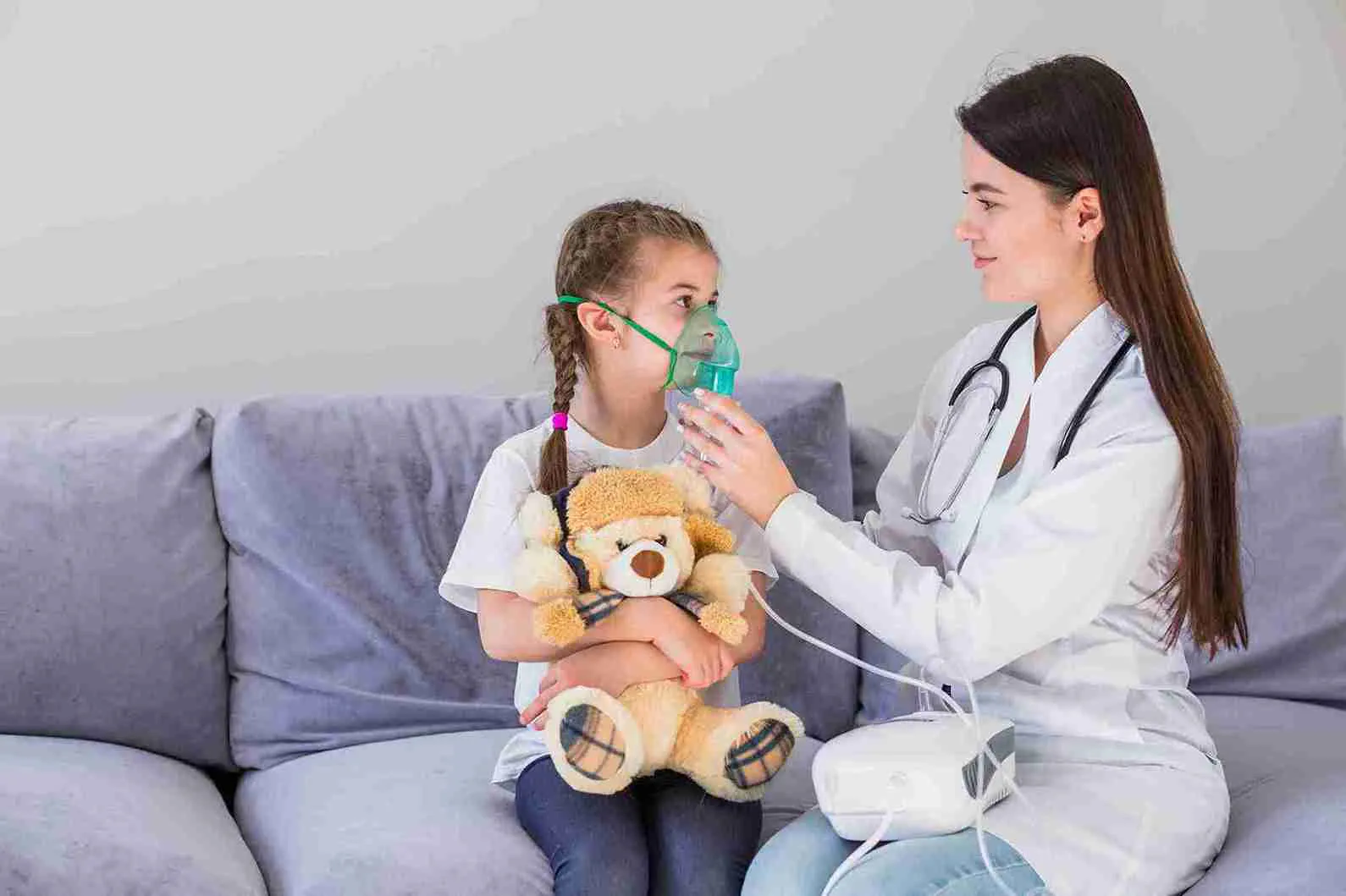
Most instances of bronchiolitis can be treated at home, but some warning signs call for seeking immediate medical assistance:
The baby is having trouble breathing
Blue lips or skin, which means low oxygen levels
Refusal to eat or dehydration
Continuous high fever
Drowsiness or unresponsiveness that is unusual
Severe wheezing or prolonged pauses between breaths
Immediate evaluation by a paediatrician can avoid complications and decide if hospitalisation is required.
Since bronchiolitis is a viral infection, antibiotics are ineffective. Supportive treatment is typically what helps the baby breathe more comfortably and remain hydrated. Steps advised are:
Keeping the baby hydrated by frequent feeding with the breast or bottle
Using saline drops for the nose and a bulb syringe to unclog the nose
Keeping a cool-mist humidifier in the room to relieve congestion
Raising the head of the crib (with doctor advice)
Ongoing monitoring of breathing and feeding habits
In the most severe cases, particularly where oxygen levels become low or the baby cannot feed, hospitalisation to provide oxygen or intravenous fluids is sometimes required.
Preventing bronchiolitis in infants begins with good hygiene and taking steps ahead of time:
Washing hands well in advance of holding the baby
Stay away from individuals with cold or flu-like symptoms
Sanitise toys, pacifiers, and frequently touched surfaces regularly
Keep babies at bay from public places during RSV season
Stay away from tobacco smoke exposure to babies
Breastfeeding is known to boost the baby's immunity
Practising caution, particularly in the baby's first year, goes a long way in lowering the risk of respiratory infections.
At Cloudnine Hospital, we comprehend the upsetting nature of respiratory diseases in infants for parents. We have a team of neonatologists and pediatric specialists who ensure all-around, round-the-clock management of diseases such as bronchiolitis in infants.
From early diagnosis to tailored treatment plans and parental guidance, Cloudnine offers empathetic, skilled care in a child-friendly atmosphere. With state-of-the-art NICU facilities, infection control measures, and family education, Cloudnine provides your child with the finest care during illness.
Bronchiolitis, although prevalent, can be concerning to parents, particularly when it occurs in young infants. Having knowledge of the causes, identifying the symptoms of bronchiolitis in infants, and understanding whether bronchiolitis is contagious will enable families to respond quickly and decisively. Even so, most children recover without needing hospitalisation when they receive home care, but being vigilant for signs of distress and obtaining early medical attention is important.
If your baby develops signs of bronchiolitis or you are unsure about how to care for their symptoms, don't delay. Let the pediatric care at Cloudnine take care of you and your baby every step of the way.
Schedule an appointment today with a Cloudnine paediatrician and give your child the best possible care.
