


Welcoming a newborn baby is a beautiful experience, but it can also feel overwhelming, especially for first-time parents. Questions about feeding, sleep, hygiene, and safety often arise in the first few days. This early phase is critical, as newborns are highly sensitive and depend entirely on caregivers for their well-being. Proper taking care of a newborn during this time ensures not only safety but also healthy growth and strong emotional bonding. By understanding and following the 10 steps of essential newborn care, parents can navigate this journey with greater confidence and clarity.
Essential newborn care is the basic practices that are necessary to safeguard and promote the health of infants within the initial 28 days of their life, which is called the neonatal period. During this period, newborns are extremely susceptible to infections, temperature variations, and difficulties in feeding.
The critical components of taking care of a newborn include:
Warmth: Maintaining body temperature
Feeding: Providing adequate nutrition, ideally through breastfeeding
Hygiene: Keeping the baby and environment clean
Monitoring: Checking for signs of illness or discomfort
1. Drying Immediately After Birth
What to do: Gently dry the newborn by using a soft dry cloth.
Why it is important: Newborns lose heat quickly, and immediate drying helps prevent hypothermia.
Tip: Cover the baby immediately with a towel wrapped around him after drying.
2. Skin-to-skin Contact
What to do: Place the baby on your chest shortly after birth.
Why it is important: It regulates the body temperature of the baby, stabilises breathing, and promotes bonding.
Tip: Provide skin-to-skin contact to the baby often in the early days.
3. Early Breastfeeding
What to do: Start breastfeeding immediately after the baby is born.
Why it is important: It is an early source of antibodies that promote immunity.
Tip: Make sure there is a proper latch to facilitate breastfeeding.
4. Keeping Baby Warm
What to Do: Dress the baby appropriately and keep the room at a comfortable temperature.
Why It Matters: Babies cannot regulate their body temperature effectively.
Pro Tip: Use light layers and cover the baby’s head in cooler conditions.
5. Umbilical Cord Care
What to Do: Keep the umbilical cord stump clean and dry until it falls off naturally.
Why It Matters: Helps prevent infections and aids in proper healing.
Pro Tip: Do not apply oil, powder, or other traditional treatments.
6. Maintaining Hygiene
What to Do: Wash hands prior to holding the baby and keep the surrounding environment clean.
Why It Matters: Ensures that the baby remains infection-free throughout this critical period.
Pro Tip: Avoid visiting crowded places or those who may be sick.
7. Following Proper Feeding Schedule
What to Do: Feed the baby every two to three hours according to demand.
Why It Matters: Helps in ensuring the child grows, stays hydrated, and develops well.
Pro Tip: Look for early hunger cues like sucking or rooting instead of waiting for crying
8. Safe Sleeping Practices
What to Do: Ensure the baby sleeps on their back on a hard sleeping surface.
Why It Matters: Reduces the risk of sleep-related complications like SIDS.
Pro Tip: Refrain from using pillows, loose bedding, or stuffed animals while sleeping.
9. Health Monitoring of Your Baby
What you should do: Observe feeding patterns, sleep, and activity levels daily.
Why does it matter: It will help you notice any problem before it becomes serious.
Tip: Frequent wet diapers indicate proper feeding.
10. Bonding and Emotional Support
What you should do: Spend time talking, cuddling, and making eye contact with your baby
Why does it matter: It promotes emotional stability and healthy brain development.
Tip: Respond promptly to your baby’s needs to build trust.
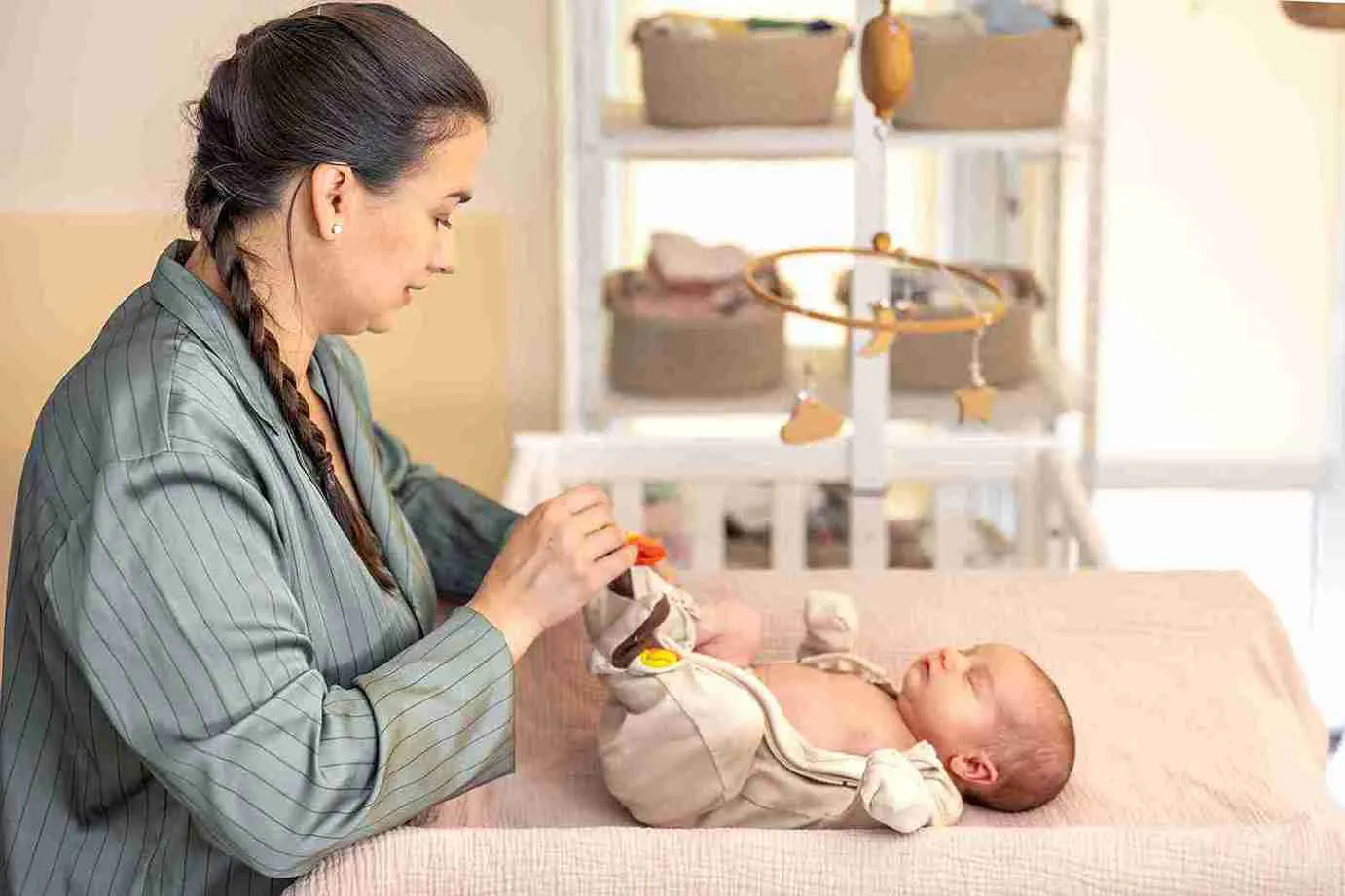
The following is a list of items essential for newborn care:
Dressings: Cotton clothing, hats, mittens, and socks
Diapers: Diapers (either disposable or cloth) and wipes
Feeding accessories: Burp cloths, feeding pillow, and breast pump
Hygiene products: Mild baby soap, shampoo, soft towels, and nail clippers
Sleeping essentials: A sturdy crib or bassinet with a firm mattress
Overfeeding or underfeeding due to misinterpreting feeding signs
Poor personal hygiene practices, such as infrequent handwashing
Unsuitable sleep arrangements, including soft bedding and poor sleeping position
Practising unverified home remedies
Overdressing, which can lead to overheating
To ensure effective baby care, you must avoid these common mistakes.
Consult a healthcare professional if your baby shows any of these signs:
Fever or unusually low body temperature
Poor feeding or refusal to feed
Yellowing of skin or eyes
Reduced urination (fewer wet diapers)
Prompt medical attention is crucial for newborn safety.
Cloudnine is recognised as a leader in the reproductive and maternity care space, addressing the evolving needs of women at every stage: from preconception and pregnancy to delivery and postnatal recovery. Our patient-centric approach focuses on holistic, evidence-based care. The hospital supports women through both medical and emotional aspects of their journey.
When it comes to newborn care, Cloudnine extends this expertise by ensuring newborn care is seamlessly followed right from birth. Backed by experienced neonatologists, paediatricians, and lactation experts, and supported by advanced NICU facilities, they provide comprehensive support that makes caring for a newborn safer and more reassuring. With the right knowledge and guidance, Cloudnine empowers parents to confidently manage taking care of a newborn.
The early days of a baby’s life are delicate yet incredibly important. Following the 10 steps of essential newborn care ensures your baby stays safe, healthy, and comfortable. From maintaining warmth and hygiene to feeding and emotional bonding, each step plays a vital role in development. While the journey may feel overwhelming at first, staying informed and seeking timely guidance can make a significant difference. Always consult a healthcare professional if needed, and remember consistent care and attention are truly essential for newborn well-being.
