


Most pregnant women prefer a normal vaginal delivery free of assistance, or complications. While a vaginal delivery is the most natural way of giving birth, it is not that simple. Many women develop complications during pregnancy that require a caesarean section or assistance during delivery to ensure the safety of both mother and baby. If you are looking for some effective tips to increase your chances of a vaginal delivery, you have come to the right page!
Here are some effective normal delivery tips you can try to incorporate into your pregnancy.
1. Stay active throughout your pregnancy unless you are asked to rest.
2. Engage in activities that will keep you occupied physically and mentally.
3. Eat a well-balanced diet, focusing on essential nutrients like vitamins, fibre, and protein to support your body as well as the baby’s development.
4. Drink plenty of water to avoid dehydration and fatigue. Your body needs more water than usual to make all that blood for the baby and to supply the essential nutrients.
5. Attend childbirth classes with your partner to understand birthing techniques, complications to expect, and what your birthing options are.
6. Come up with a birthing plan after discussing it with your doctor or midwife. Having a birth plan can avoid confusion and stress in the last minute once labour sets in or complications arise during the delivery.
7. Plan the logistics to reach the hospital once labour starts. If your partner is not going to be around, whom do you call, what do you take, etc?
8. Reduce activities like jumping, high-impact sports, etc., which can increase the risk of an emergency delivery or hurt the baby.
9. Learn breathing techniques for vaginal delivery. Breath control is an important part of a normal delivery as it can help relax and open the muscles during the delivery.
10. Invest in a good pair of footwear with sufficient arch support, wear a pregnancy belt if the baby bump strains your back or affects your posture, sit on chairs with a good back support and arm rests to help you get up easily, and use enough pillows to support the bump when you sleep. Proper posture is important to prevent complications or body aches that can make a normal delivery difficult.
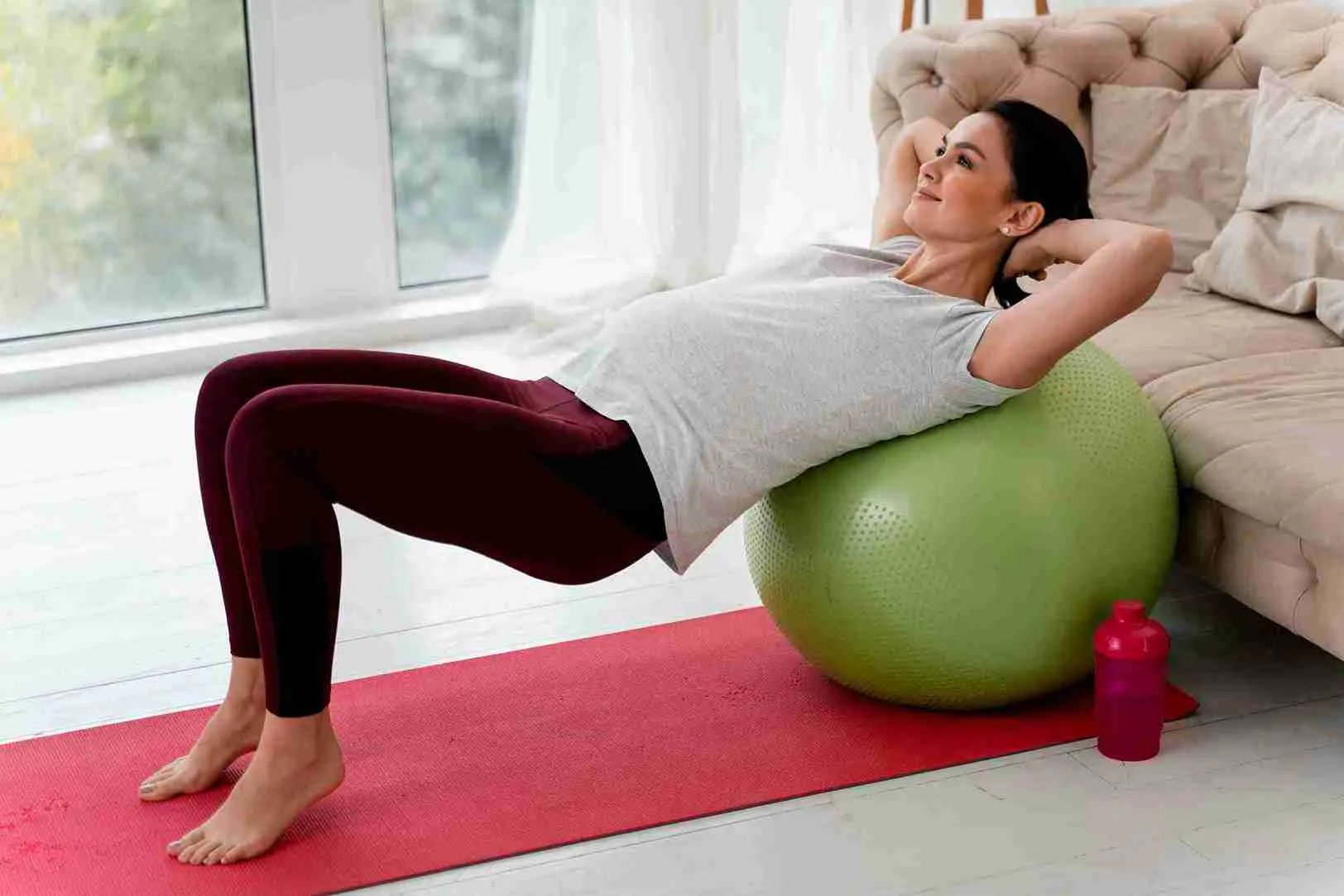
Exercising during pregnancy is very important. Regular exercise can not only help keep you fit during pregnancy but also facilitate an easy delivery and quick recovery after childbirth.
Here are a few pregnancy-safe exercises you can incorporate into your routine after getting approval from your doctor –
● Regular walking at a steady pace on level ground, wearing good shoes. Avoid slopes or rough terrain that will require you to climb or jump over obstacles, as pregnancy affects your center of balance.
● Deep squats from the second trimester can help keep your hips open and stretch the pelvic joints to facilitate a vaginal delivery. If these joints are weak or tight during the delivery, pushing the baby can become challenging.
● Prenatal yoga with a combination of exercises for the full body can not only keep your body flexible and healthy but can also help improve breathing and reduce stress as well.
● Swimming is a low-impact exercise perfect for pregnancy if you have access to a clean pool with enough safety precautions to avoid slips or falls. Public pools may not be a safe choice during pregnancy due to the risk of contracting infections.
● Kegels is good choice to strengthen your pelvic floor muscles, which are very important for a smooth vaginal delivery. It can prepare your pelvis to open up and increase the muscles’ strength to withstand the contractions and support in pushing the baby out.
● Bouncing or even sitting on a birthing ball can help strengthen and open up the pelvic muscles required for a normal delivery. It can also ease the discomfort as the baby’s weight increases.
Here is what you can eat to increase your chances of a normal vaginal delivery –
● Foods rich in iron and folate, to support fetal development and prevent maternal anaemia.
● Dairy products like milk, curd, and cheese help strengthen bones and teeth
● Oats, quinoa, ragi, brown rice, and other grains for the complex carbs, which can keep one feeling fuller for longer without the sugar spikes.
● Eggs, chicken, lentils, paneer, and fish provide protein for fetal growth and maternal muscle development.
● Nuts and seeds in moderation can provide energy and aid digestion.
Remember, not everything is under your control when it comes to childbirth. Despite all the planning and effort put in, if some complication arises, sticking to your birth plan may not be feasible. Doctors may have to perform a caesarean section to deliver the baby safely. Rather than being disappointed or focusing on what went wrong, embrace the whole childbirth experience and prioritise both mother’s and baby’s safety over the need for a normal delivery.
A Normal delivery refers to a vaginal delivery free of any assistance, such as forceps or vacuum. However, despite such assistance, a vaginal delivery, be it in the hospital, in a water tub, or at home, is called a normal delivery. Such a delivery requires the mother to be physically, emotionally, and mentally ready to go through labour. Preparing ahead can help the mother relax and enjoy the entire pregnancy, but no one has complete control over the mode of delivery.
